
James 2:14-17
Proverbs 19:17
James 2:14-17
What good is it, my brothers and sisters, if someone claims to have faith but has no deeds? Can such faith save them? Suppose a brother or a sister is without clothes and daily food. If one of you says to them, ‘Go in peace; keep warm and well fed,’ but does nothing about their physical needs, what good is it? In the same way, faith by itself, if it is not accompanied by action, is dead.
Hebrews 13:16
Proverbs 19:17
James 2:14-17
And do not forget to do good and to share with others, for with such sacrifices God is pleased.
Proverbs 19:17
Proverbs 19:17
Proverbs 19:17
Whoever is kind to the poor lends to the Lord, and he will reward them for what they have done.
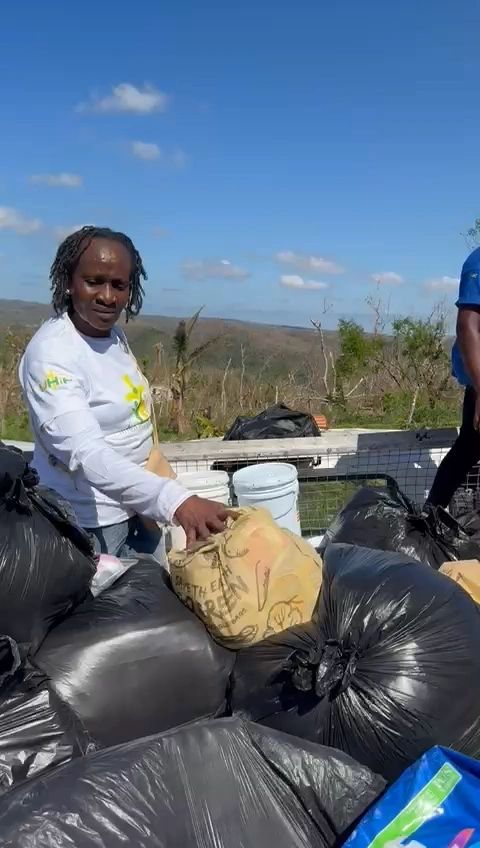
Hurricane Melissa will be remembered as one of the most destructive storms in Jamaica's history. Making landfall on October 28, 2025, as a powerful Category 5 hurricane, Melissa brought sustained winds exceeding 180 miles per hour, torrential rainfall, widespread flooding, and catastrophic storm surge to large portions of the island. Communities across Westmoreland, St. Elizabeth, Hanover, and Trelawny experienced severe damage as homes, businesses, schools, and public infrastructure were battered by the storm's immense force. Thousands of residents were forced to seek shelter while emergency management agencies worked around the clock to protect lives and coordinate evacuations. Roads became impassable due to fallen trees, flooding, and landslides, while power outages affected hundreds of thousands of Jamaicans. Telecommunications networks were also disrupted, leaving many communities temporarily isolated. Meteorologists described Hurricane Melissa as one of the most intense hurricanes ever recorded to strike Jamaica directly, drawing comparisons to some of the Caribbean's most infamous storms. For many residents, the hurricane served as a stark reminder of the vulnerability of island nations to increasingly powerful weather systems and the importance of disaster preparedness in the face of changing climate conditions.
The economic consequences of Hurricane Melissa were both immediate and far-reaching. Jamaica's agricultural sector suffered devastating losses as banana plantations, vegetable farms, sugar cane fields, and livestock operations were destroyed by powerful winds and floodwaters. Thousands of farmers lost crops that represented months of labor and significant financial investment. The tourism industry, a cornerstone of Jamaica's economy, also experienced major setbacks. Resorts, hotels, beaches, marinas, and tourist attractions sustained extensive damage, resulting in canceled reservations and a temporary decline in visitor arrivals. Small businesses across the island struggled with property damage, inventory losses, and prolonged interruptions to normal operations. Critical infrastructure, including bridges, roads, water systems, and electrical networks, required extensive repairs costing billions of dollars. Government agencies, international aid organizations, and private-sector partners quickly mobilized to provide emergency assistance, food supplies, clean drinking water, and temporary housing for displaced residents. Despite these efforts, recovery proved challenging for many communities facing long-term rebuilding needs. Economic analysts estimated that Hurricane Melissa's impact represented one of the costliest natural disasters in Jamaica's modern history, creating financial challenges that would be felt for years after the storm passed.
In the aftermath of Hurricane Melissa, Jamaica demonstrated remarkable resilience, unity, and determination. Recovery efforts focused on restoring essential services, rebuilding damaged communities, and supporting families whose lives had been disrupted by the disaster. Utility crews worked tirelessly to restore electricity and communication systems, while construction teams repaired schools, hospitals, bridges, and public facilities. Community organizations, churches, volunteers, and local leaders played a vital role in helping residents clear debris, distribute supplies, and rebuild homes. The storm also sparked renewed national discussions about climate resilience, infrastructure modernization, and disaster preparedness. Experts emphasized the need for stronger building standards, improved flood management systems, and enhanced emergency response capabilities to reduce the impact of future hurricanes. Environmental assessments revealed significant damage to forests, coastal ecosystems, and agricultural lands, further highlighting the long-term challenges associated with severe weather events. While the physical scars of Hurricane Melissa may take years to fully heal, the response of the Jamaican people showcased the nation's strength and perseverance. Hurricane Melissa will not only be remembered for the destruction it caused but also for the resilience, courage, and unity displayed throughout the recovery process. As Jamaica continues to rebuild and prepare for future storms, the lessons learned from Hurricane Melissa will play an important role in shaping a stronger and more resilient future for generations to come.

Our Programs
We offer a variety of programs to help those in need get back on their feet. From job training to mental health counseling, we provide the resources and support necessary to help individuals achieve their goals.
Volunteer Opportunities
Volunteers are the backbone of our organization. We offer a variety of opportunities for individuals and groups to get involved and make a difference in the lives of those we serve.
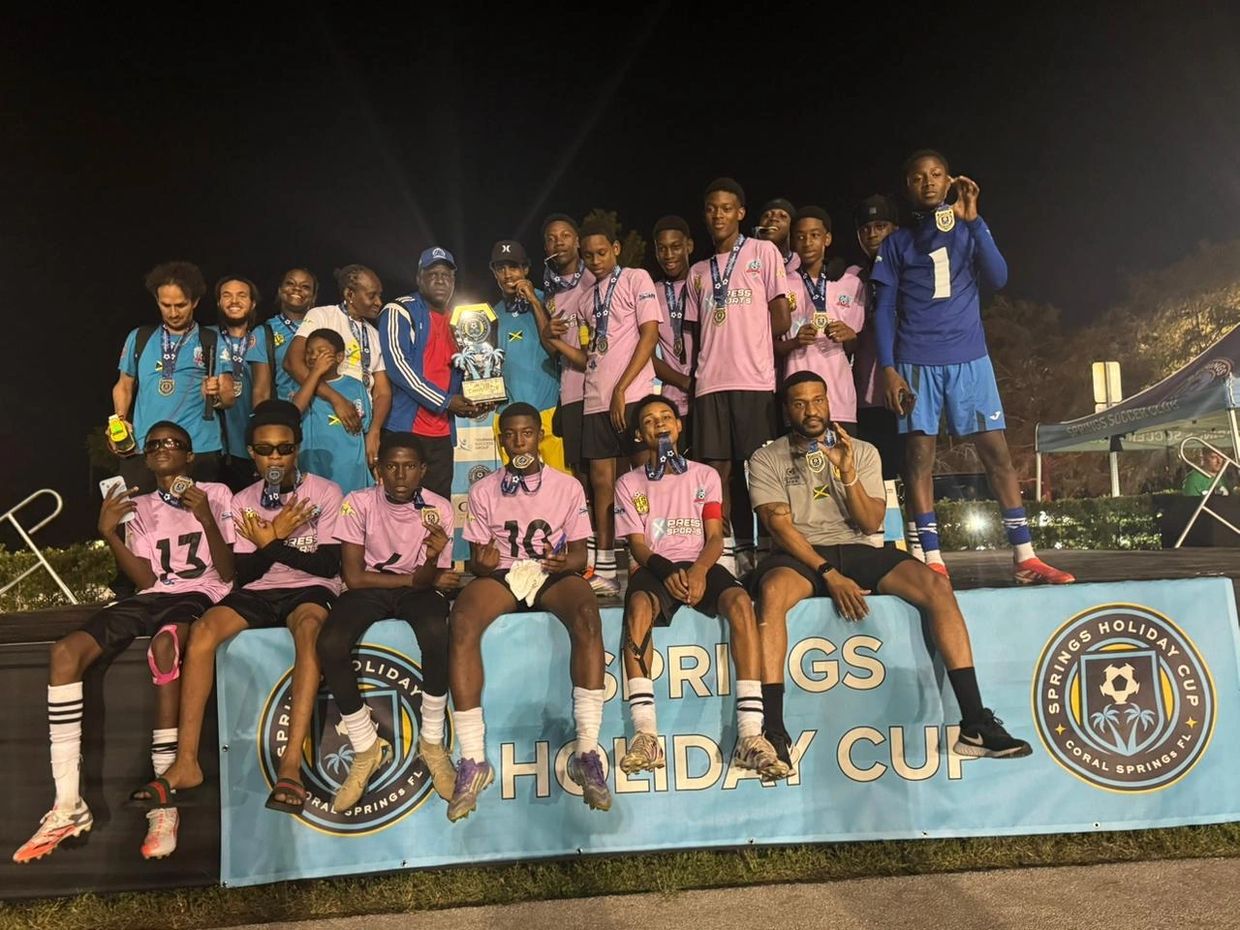
2025 SPRINGS HOLIDAY CUP WINNERS
Jamaican youth sponsored by United Hands In Faith
The 2025 Springs Holiday Cup was one of South Florida's premier youth soccer tournaments, bringing together hundreds of talented boys' and girls' teams from across Florida, the Caribbean, and other regions of the United States for an exciting weekend of elite competition in Coral Springs, Florida. Hosted by the Springs Soccer Club and sanctioned by the Florida Youth Soccer Association (FYSA), the tournament was held from December 12–14, 2025, with some local clubs beginning play on Friday, December 12. Designed for athletes ranging from U8 through U19, the event featured multiple competitive divisions—including Gold, Silver, and Bronze—to ensure balanced competition for teams of varying skill levels. Primary matches were played at well-maintained facilities such as Cypress Park, Mullins Park, and North Community Park, with additional games hosted in nearby Plantation and Davie as needed to accommodate the tournament's large number of participants. The event emphasized sportsmanship, player development, and high-level competition while following United States Soccer player development initiatives, including age-specific formats such as 7v7, 9v9, and 11v11 play. Each participating team was guaranteed multiple matches, allowing players valuable opportunities to compete against unfamiliar opponents and gain experience in a professionally organized tournament environment. Beyond the competition itself, the Springs Holiday Cup generated a significant economic impact for the Coral Springs area, with visiting families filling local hotels, restaurants, retail stores, and entertainment venues throughout the weekend.
More than simply a soccer tournament, the 2025 Springs Holiday Cup served as a celebration of youth athletics, community involvement, and international sportsmanship. Coaches used the event as an important opportunity to evaluate player development before the start of the new calendar year, while college-age athletes competing in the older divisions had the chance to showcase their abilities in front of scouts and recruiters. Parents and spectators enjoyed an energetic atmosphere filled with competitive matches, teamwork, and the excitement that accompanies one of the largest youth soccer events in the region. Tournament organizers focused on creating a first-class experience through electronic team check-in, certified referees, athletic trainers, and professionally managed scheduling, helping ensure that the event ran efficiently despite the participation of more than 200 teams. The tournament's continued growth reflects Coral Springs' reputation as a destination for quality amateur sporting events and highlights the city's commitment to providing outstanding recreational facilities capable of hosting large regional competitions. By attracting clubs from diverse backgrounds and encouraging positive competition among young athletes, the Springs Holiday Cup fostered lasting friendships, cultural exchange, and a passion for the game that extends well beyond the final whistle. Its combination of excellent organization, competitive balance, family-friendly atmosphere, and commitment to player development has established the Springs Holiday Cup as one of Florida's most respected annual youth soccer tournaments and an event that continues to strengthen the sport throughout the state while leaving a lasting impression on players, coaches, families, and the Coral Springs community.